
Arto's Blog
Welcome to the buffet
Posted: 2015-11-09 23:29:00, Categories: Travel, Ecology, Sailing, 587 words (permalink)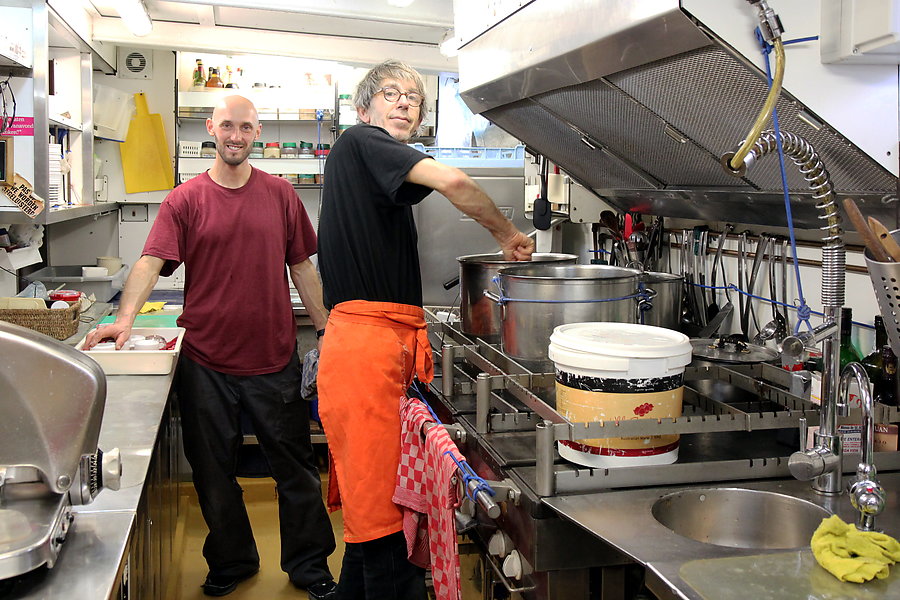
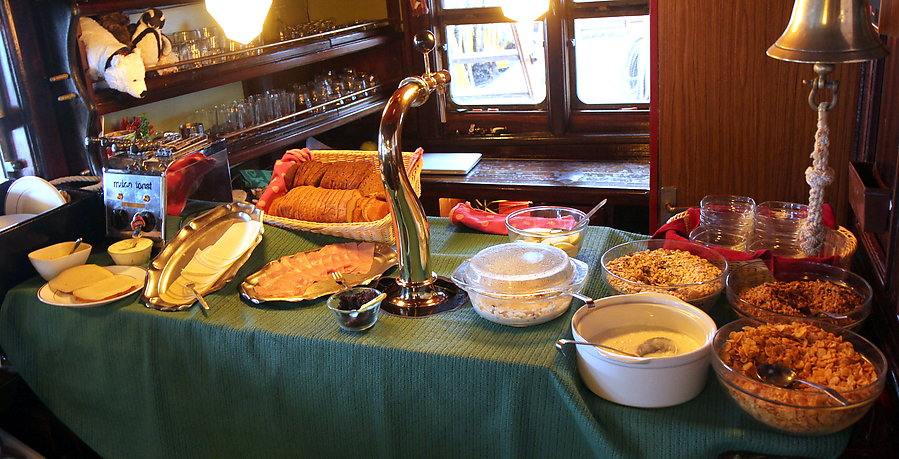
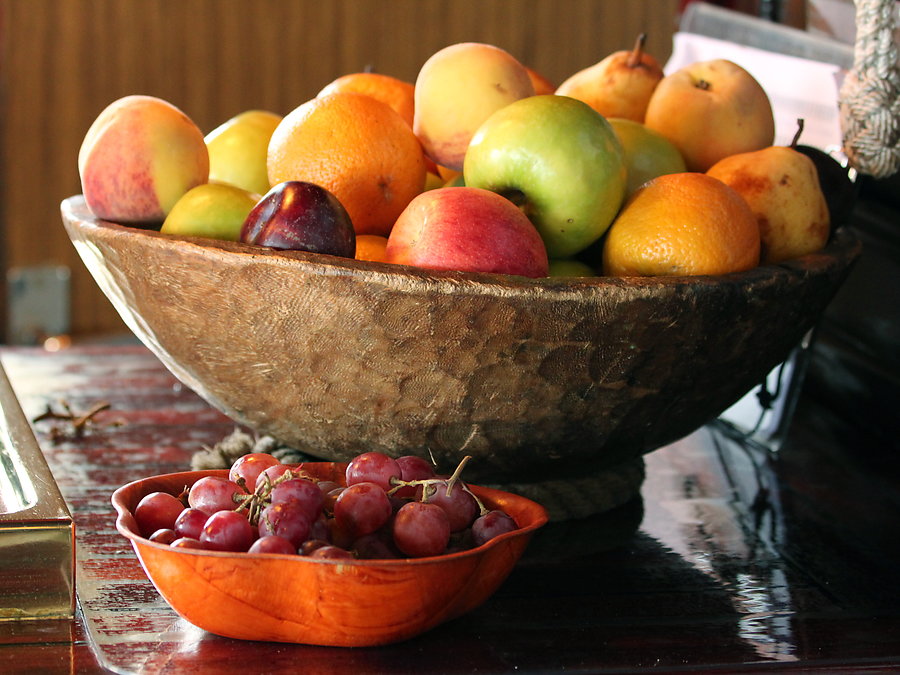
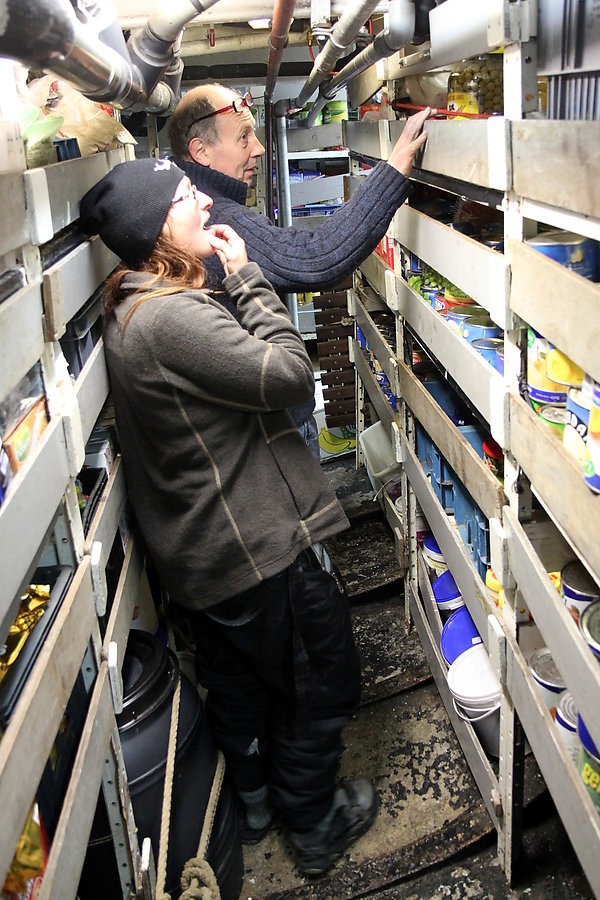

Usually we ate inside, but occasionally when the sun came out and the sea was calm enough, the lunch was served out on the deck. The last photo shows our lunch buffet a couple of days before leaving South Georgia. That was one of our favourites, featuring three refreshing salads and crunchy pizza breads.
From library to library on two wheels
Posted: 2011-06-18 14:55:49, Categories: Travel, Work, Ecology, Cycling, Germany, Cyc4lib, Denmark, 641 words (permalink)
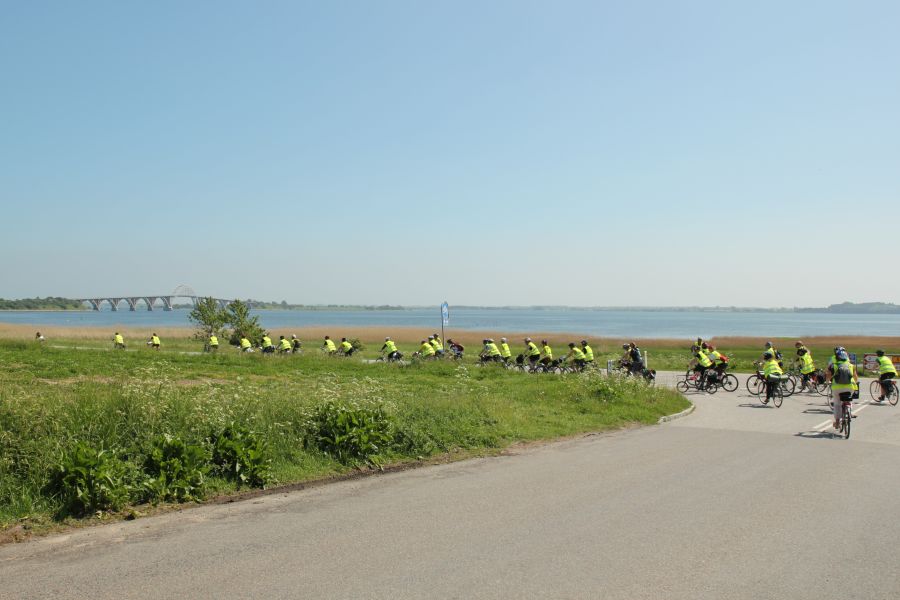 The Cycling for Libraries
tour was an experiment on what comes up in the minds of library
professionals when they go out and ride bicycles for nine days
together. Answer: far-reaching discussions about the future of
libraries in the changing world, and a great team spirit as the group
worked it's way 700 km from Copenhagen to Berlin.
The Cycling for Libraries
tour was an experiment on what comes up in the minds of library
professionals when they go out and ride bicycles for nine days
together. Answer: far-reaching discussions about the future of
libraries in the changing world, and a great team spirit as the group
worked it's way 700 km from Copenhagen to Berlin.
In the beginning we got to know each other and figured out by trial and error how to travel in a group. We saw beautiful Danish seaside landscapes, enjoyed meals prepared for us by our cook, were warmly welcomed in a local libraries, spent much more time on the road that the organizers had expected, got tired fixing punctured tyres in the rain, felt the bliss of a hot shower and slept side by side on the floor in a school.
After a couple of days the weather became more sunny, daily distances a bit shorter, bicycles were in better shape and also other topics than cycling and survival started to pop up in the discussions. As we didn't have books, documents or Internet in front of us, it was easier to think of broader topics than details. We talked about our projects, library politics, online presense and social changes — and of course about cycling, traveling and other hobbies.
The organizers had prepared for each day a theme, which was announced in the morning briefing. That guided the discussions a little bit, but ultimately it was up to each participant if they wanted to follow the theme, pick some other topic or simply listen to the nature and enjoy cycling. In the evening we were usually too tired and at the same time excited about what had happened during the day, that it was not easy to focus on any common theme other than food, beer and sleep.
A topic I found particularly interesting was the role of libraries as participants in social and environmental issues. One idea which came up was to create a global warming information finding aid: a shelf containing books, dvds and other resources on the topic, including hints what people can do themselves in everyday life. Libraries taking part in the campaign would place the shelf in a prominent place where visitors would easily see it. Different viewpoints should be offered to maintain the reputation of libraries as an impartial and trusted source of information.
Just as media can influence the thoughts and focus of its audience by choosing the topics to write about, libraries have more subtle but similar power through choosing which books and other resources are most visibly presented - including recommendations given by librarians online. Whether or not and how that power should be used is naturally not a trivial question. In any case, libraries can provide resources which give both a broader view and go deeper than a single TV show or newspaper article ever will.
One goal of the trip was to get library folks outdoors and challenge them. Several participants were first time taking part on a longer cycling tour. Accommodation was modest so people were together also in the evenings instead of locking themselves in hotel rooms. Day by day the team spirit grew, people helped each other and made sure nobody got lost or left behind. Everybody made it until the end, and many wrote afterwards that in their minds they were still cycling several days after the trip.
The Kirjastokaista team with their video cameras were with us during the whole tour. Almost everything was therefore freshly documented in detail and a short video of each day's events was posted online every evening. In that way the tour itself was an example of rapid information sharing using modern channels. A half an hour documentary is planned to come out later in the autumn. I'm looking forward to watching it.
Cycling for Libraries
Posted: 2011-05-28 10:49:39, Categories: Travel, Work, Ecology, Cycling, Cyc4lib, Denmark, 341 words (permalink)
 Today starts an interesting event called Cycling for Libraries.
About 80 library professionals and other people, whose work is somehow
connected to libraries, will be spending nine days cycling from
Copenhagen to Berlin. The goal is to combine work, fun and healthy
exercise outdoors in a new and exiting way. The welcome party was
yesterday evening at the Copenhagen main library, featuring a pedal
powered ice cream and coffee bar.
Today starts an interesting event called Cycling for Libraries.
About 80 library professionals and other people, whose work is somehow
connected to libraries, will be spending nine days cycling from
Copenhagen to Berlin. The goal is to combine work, fun and healthy
exercise outdoors in a new and exiting way. The welcome party was
yesterday evening at the Copenhagen main library, featuring a pedal
powered ice cream and coffee bar.
Cycling for Libraries is a moving conference, where the main focus will be on the informal discussions between talks and other organized sessions. Hey, those are often the most interesting bits in conferences anyway. There will be some seminars, workshops and visits at local libraries on the way, but most of the time the participants will create the event themselves. I'm curious to see how much of the discussions will be focused on library topics, how much on cycling and how much on everything else. The organizers don't have a clue either, they're also doing this the first time.
For me it'll be the second time to participate in a organized cycling tour. Cycling for Libraries will not be as ecological and down to earth as the Ecotopia Biketour I joined in 2006, but still relatively low on luxury for a professional event. Accommodation will be at campsites, hostels and schools. I like that — sharing the space in a dormitory room or in a tent is a good way to get to know each other.
It's also a great opportunity to get out from my home office. It's too easy to get stuck to routines there, and have too little communication with the outside world. I came to Copenhagen a few days in advance and have really enjoyed my time here. Almost everybody is moving around by bicycle and that gives a special spirit to the whole city. Already on the first day, crossing a canal on a big bridge together with dozens of other cyclists and only a few motorists, I had a great feeling of being part of the community.
Cheap flights and Japan at the Helsinki travel fair
Posted: 2009-01-26 21:53:49, Categories: Travel, Japan, Helsinki, Ecology, 445 words (permalink)
 The yearly Helsinki travel fair held during the third weekend of
January had a timely official theme: Vastuu yhteisestä maailmasta
(Responsibility of our common world). However, another
theme emerged more prominently: Fly far and cheap.
Finnair, Air France, KLM and other airlines had huge booths where they
were selling long distance flights for lower prices than ever.
Return flights to India, Thailand and China were less than 400 €,
to North America, Northern Africa and Japan well below 500 € and
to South American cities around 750 €, all taxes and other fees
included. With more than 85 000 visitors attending the event they
probably sold quite a few of them. I didn't really figure out how the
official and the unofficial theme connected with each other, but
never mind.
The yearly Helsinki travel fair held during the third weekend of
January had a timely official theme: Vastuu yhteisestä maailmasta
(Responsibility of our common world). However, another
theme emerged more prominently: Fly far and cheap.
Finnair, Air France, KLM and other airlines had huge booths where they
were selling long distance flights for lower prices than ever.
Return flights to India, Thailand and China were less than 400 €,
to North America, Northern Africa and Japan well below 500 € and
to South American cities around 750 €, all taxes and other fees
included. With more than 85 000 visitors attending the event they
probably sold quite a few of them. I didn't really figure out how the
official and the unofficial theme connected with each other, but
never mind.
I spent most of the time at the Japania ry booth, answering questions about traveling in Japan and Japanese cultural events in Finland. A typical visitor had just booked flights to Japan and was searching for hints about which places and cities are worth seeing, where to stay and other practical things. Another common category were fathers and mothers who came to ask about manga and anime (Japanese comics and animated films), because "our teenage kids are crazy about them and we don't understand anything".
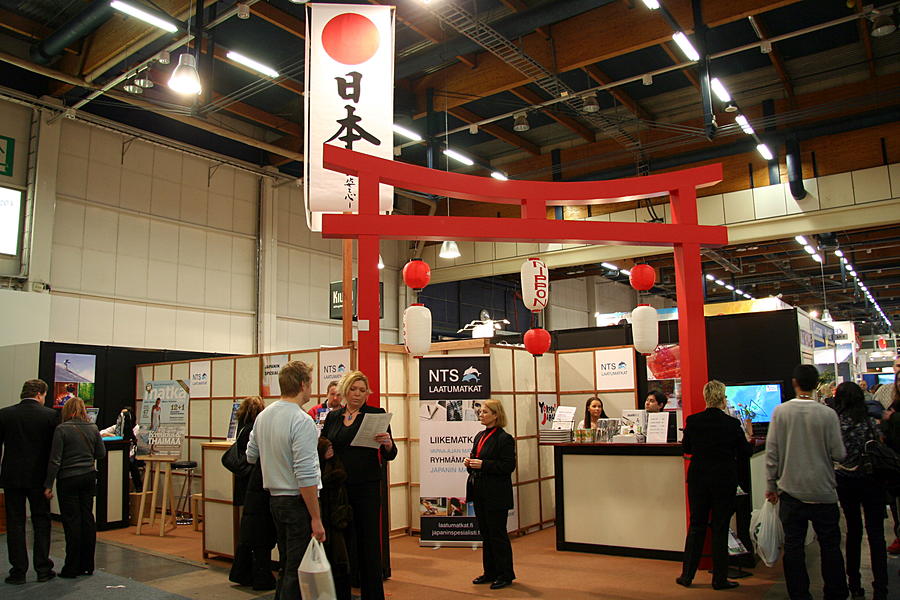
Japanese youth culture is certainly hip in Finland now and it's a bit surprising that the Japanese Embassy doesn't do much to embrace it. Japan didn't have any official presence at the travel fair either, so Finnish-Japanese friendship organizations and a couple of travel agencies tried to fill the gap. Laatumatkat had a fancy torii (Shinto style gate) in front of their stand which is featured in the picture of this blog post. I also made a small photo gallery of Japan related stands at the event, including a few portraits of people in cosplay dresses (dressed as manga characters).
I tested a couple of booths with my favourite question What can you tell me about bicycle travel in your country?, but didn't meet anybody too enthusiastic or knowledgeable about it. Last year the Georgian representant did very well. :-) The narrow corridor where all the volunteer run friendship organizations were placed next to each other was again the best of the show: had a couple of nice discussions there. Otherwise I didn't find much of interest as I didn't want to book a cheap flight somewhere or collect a bunch of thick brochures. A bit too late I realized that I had missed the domestic section completely; that might have been worth visiting. For international travel, much better information is available through web sites and by contacting locals or other travel enthusiasts.
Special edition of positive news
Posted: 2008-11-18 01:08:44, Categories: General, Ecology, Politics, 104 words (permalink)The most inspiring news last week was The New York Times Special Edition. With headlines like Iraq War Ends, United Nations Unanimously Passes Weapons Ban and New York Bike Path System Expanded Dramatically it brings positive thinking to the world even if the articles don't quite reflect real events — yet. The issue is dated July 4, 2009: there's still seven and a half months to go. All the news we hope to print, as they write on the front page.
Download the pdf and destroy a little bit of natural resources by printing a copy for a friend. Check out the ads too, they're great!

Copyright Arto Teräs <ajt@iki.fi>, licensed under the Creative Commons Attribution-Share Alike 3.0 Unported License. (Unless otherwise mentioned in individual photos or other content.)